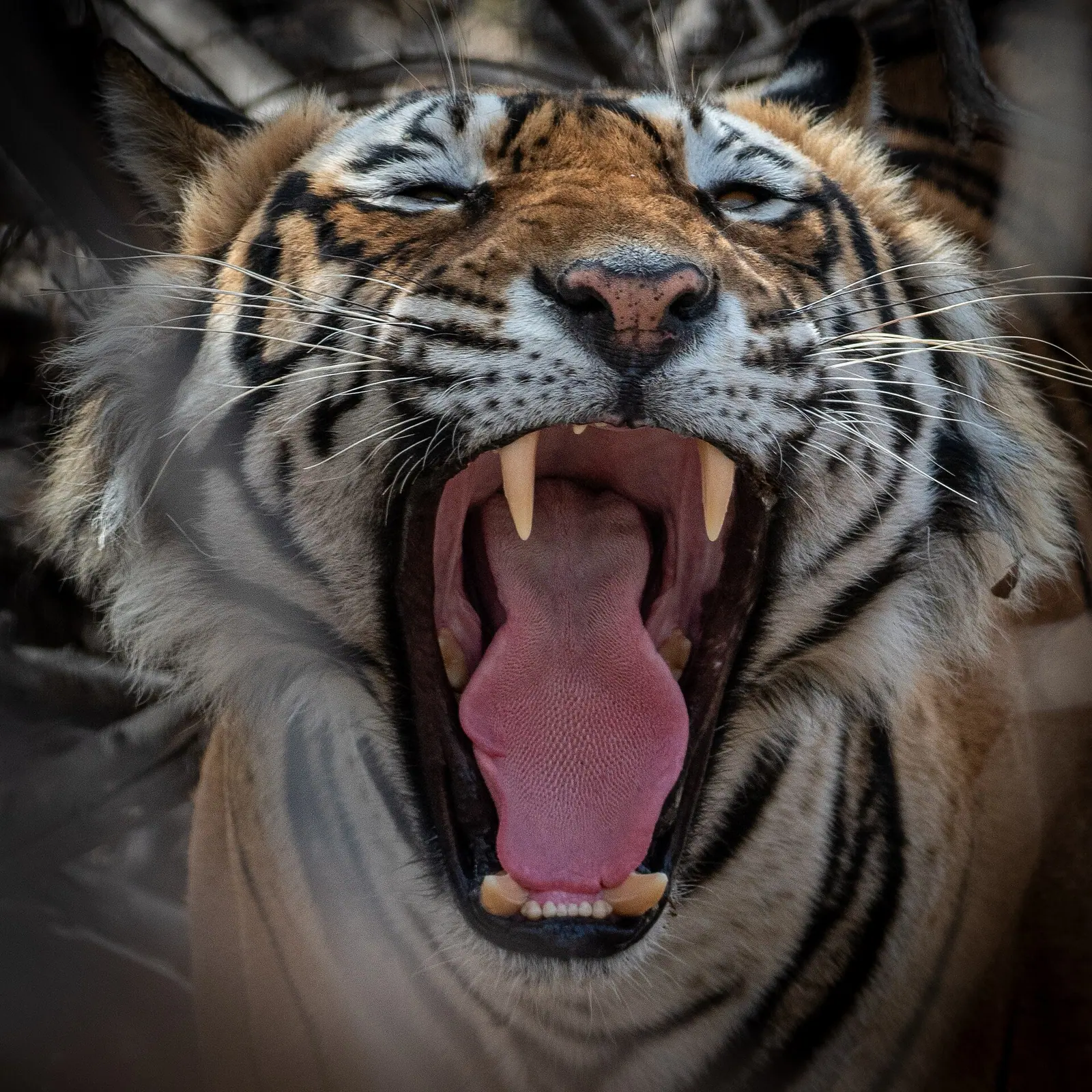
Ranthambore Safari Zones 1-10: Which Zone Is Bestfor Tigers?
Ranthambore National Park is divided into 10 unique safari zones — each with different landscapes, wildlife density and Royal Bengal Tiger sighting probability. Choose your zone wisely.
Zones of Ranthambore National Park
Ranthambore National Park is a wild spot that covers a vast area. The park is divided into 10 safari zones, and each zone offers a different kind of experience. These zones are designed to allow tourists to explore the area based on their preference and to provide a better safari experience. You can explore these zones by booking a Gypsy (jeep) or Canter safari. When you book you choose a zone range (1–6 or 7–10) and a morning or afternoon slot; the Rajasthan Forest Department allots the exact zone, so a specific zone can't be guaranteed.
Zone 1🐯 Tiger SightingsZone 1
Zone 1 is one of the most popular zones in Ranthambore and is known for good tiger-sighting opportunities. The Singh Dwar entry gate opens into dense forest corridors where tigers are known to patrol their territory. As everywhere in the park, a sighting can never be guaranteed.
Tuti ka Nalla, Sultanpur, Gada Dub, Amreshwar Dang, Peela Pani
Singh Dwar
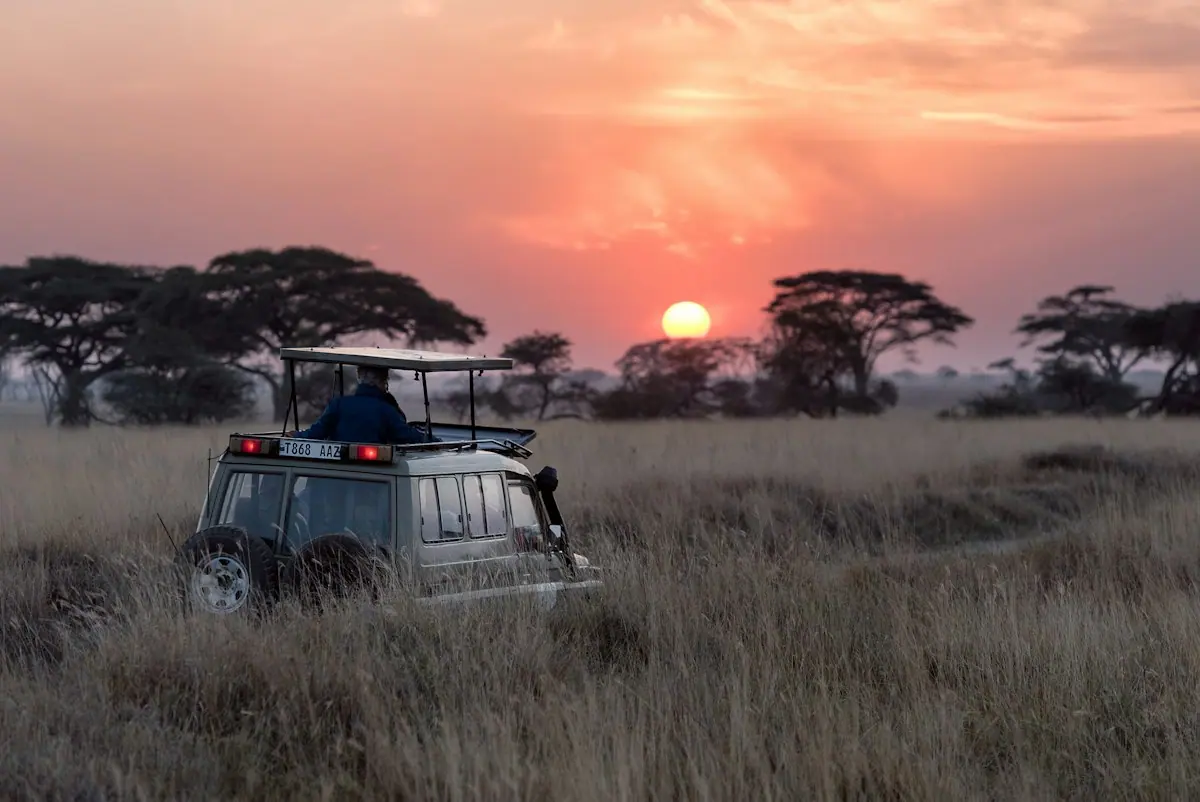 Zone 2Illustrative photo, not taken in this zone☀️ Summer Safaris
Zone 2
Zone 2 is considered one of the best safari zones due to its abundant water bodies that attract a wide variety of wildlife. Multiple lakes and streams draw animals to quench their thirst, making animal sightings very frequent. Best visited during summer when animals congregate near water. Leopards are also frequently spotted alongside tigers here.
Jogi Mahal, Nal Ghati, Phuta Kot, Phuta Bandha, Jhalra, Lahpur Tiraha
Singh Dwar

Zone 3
Zone 3 is arguably the most beautiful zone in the entire park, centered around Padam Talao — one of Ranthambore's most stunning lakes. Tigers regularly patrol the lake shores, making this a photographer's paradise. The majestic Raj Bagh ruins rising from the water create an otherworldly backdrop for tiger sightings unlike anywhere else in India.
Padam Talab, Jogi Mahal, Raj Bagh Ruins, High Point, Mandook
Ranthambore Gate
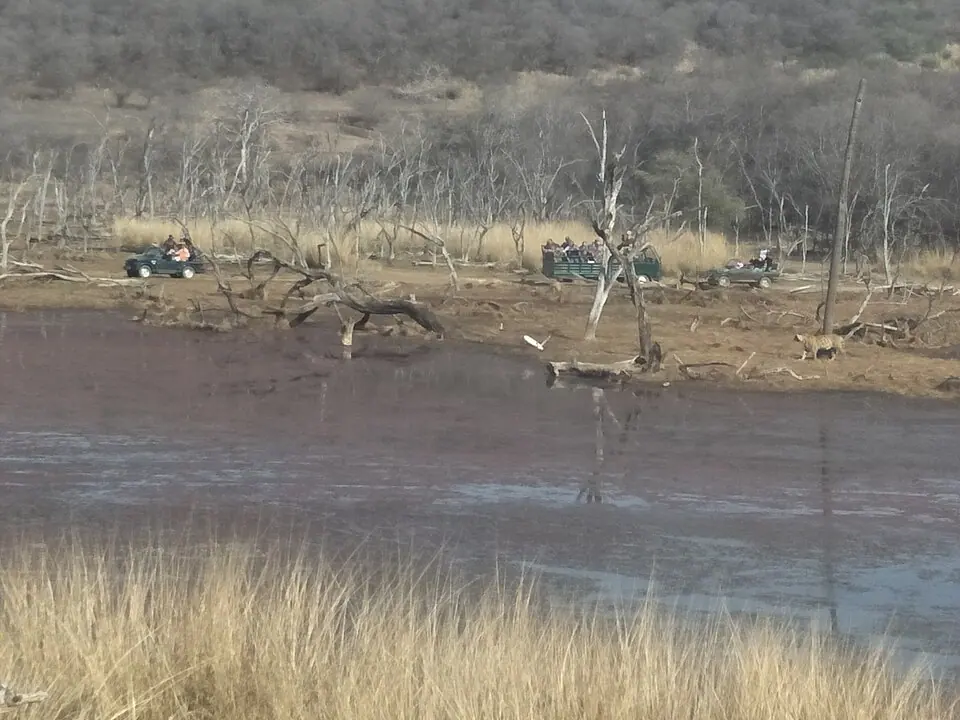 Zone 4🐯 Historic Tiger Territory
Zone 4
Zone 4 carries the legacy of Machli (T-16), once the most photographed tigress in the world, who died in 2016. It remains one of the most popular zones in Ranthambore. The Malik Talab area is particularly known for frequent tiger appearances, especially during morning safaris when tigers come to drink.
Malik Talab, Singh Dwar, Lakkad Da, Lambi, Adidaant, Tamakhan
Singh Dwar
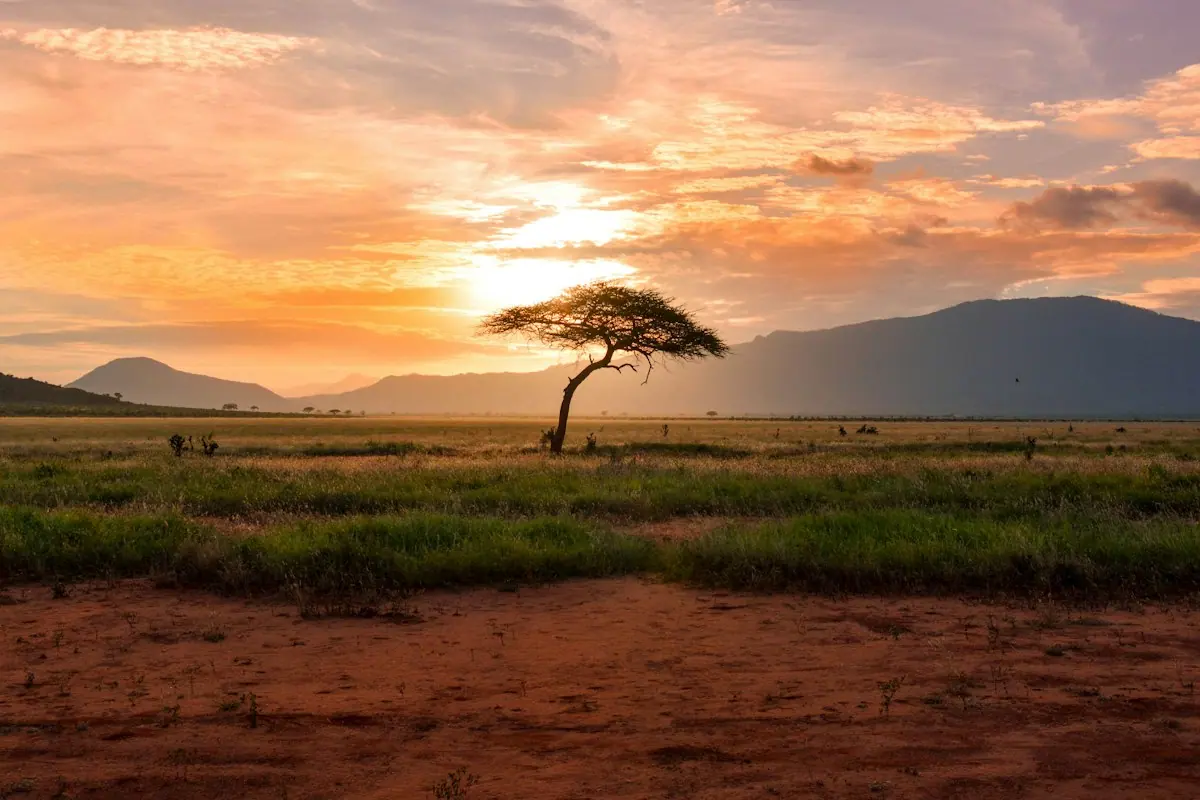 Zone 5Illustrative photo, not taken in this zone🦌 Tiger & Herbivore Sightings
Zone 5
Zone 5 shares an entry gate with Zone 4 but follows an entirely different route through stunning terrain. The dramatic Kachida Valley is the highlight, where tigers are regularly spotted stalking herbivores. Large herds of sambar deer, spotted deer and nilgai make this zone excellent for overall wildlife density. An ideal backup when Zone 4 is fully booked.
Kachida Valley, Anatpur, Jokha, Baghdad, Dhakda, Singh Dwar
Singh Dwar (shared with Zone 4)
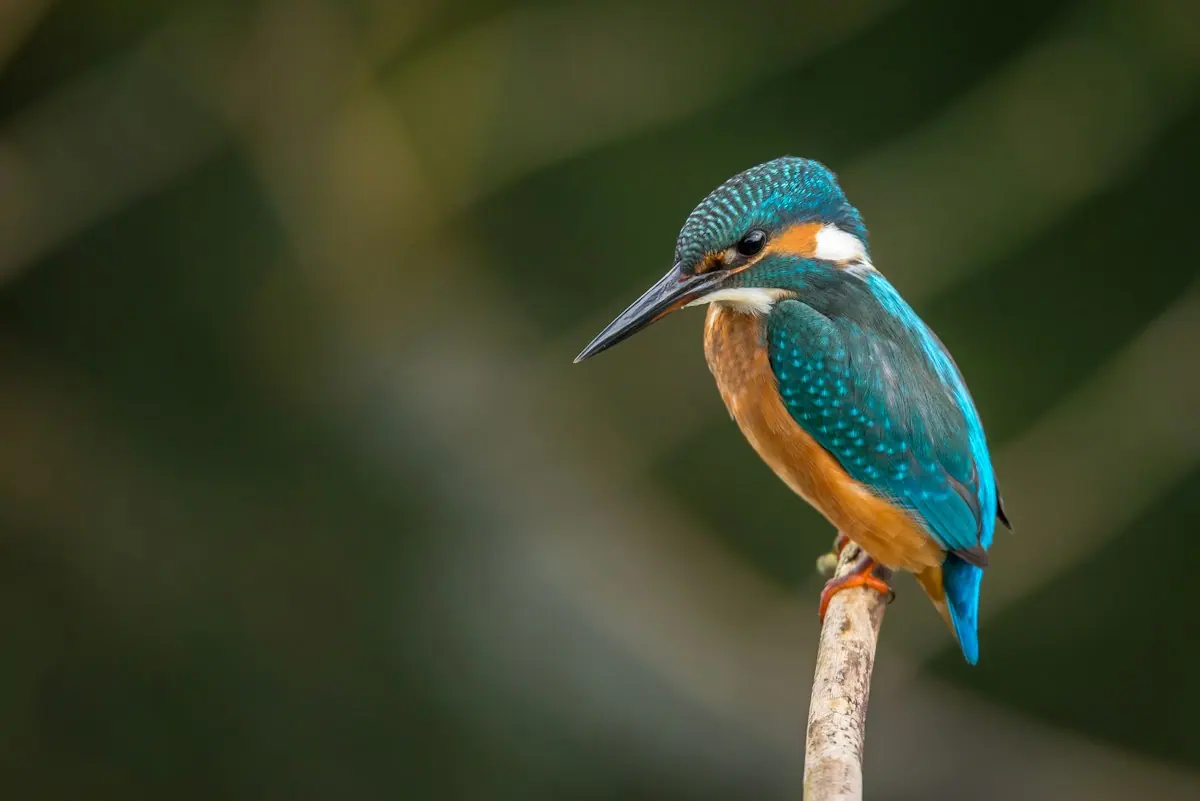 Zone 6Illustrative photo, not taken in this zone🦅 Bird Watching & Tiger Sightings
Zone 6
Zone 6 is located adjacent to Zone 1 but accessed from the opposite side, this zone offers a completely different route and landscape. Rare bird species including the critically endangered Red-Headed Vulture are regularly spotted here — a must-visit for birding enthusiasts.
Palli Darwaza, Kala Pani, Patwa Ki Baori, Soleshwar, Khabli, Saran Ka Pattha
Palli Darwaza
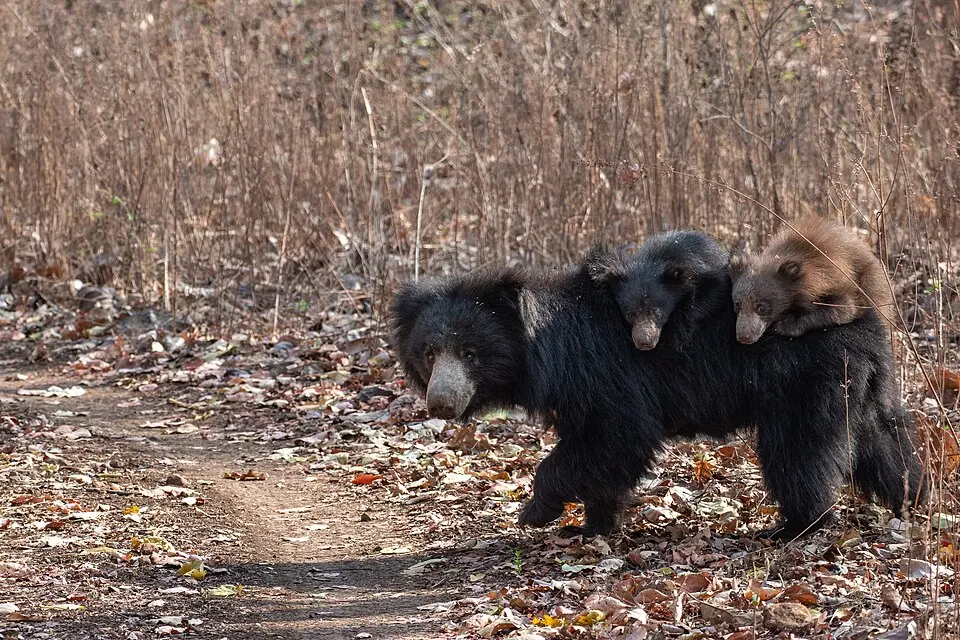 Zone 7Illustrative photo, not taken in this zone🌿 Peaceful Wildlife Safari
Zone 7
Zone 7 is a quieter buffer zone. While it has fewer designated sighting points compared to the core zones, it compensates with quieter forest trails and a more peaceful atmosphere. Sloth bears, caracals, striped hyenas, wild boar and sambar deer are commonly encountered throughout the zone.
Chidikho, Kushalipura, Jamoda, Rajbagh Naka
Palli Darwaza
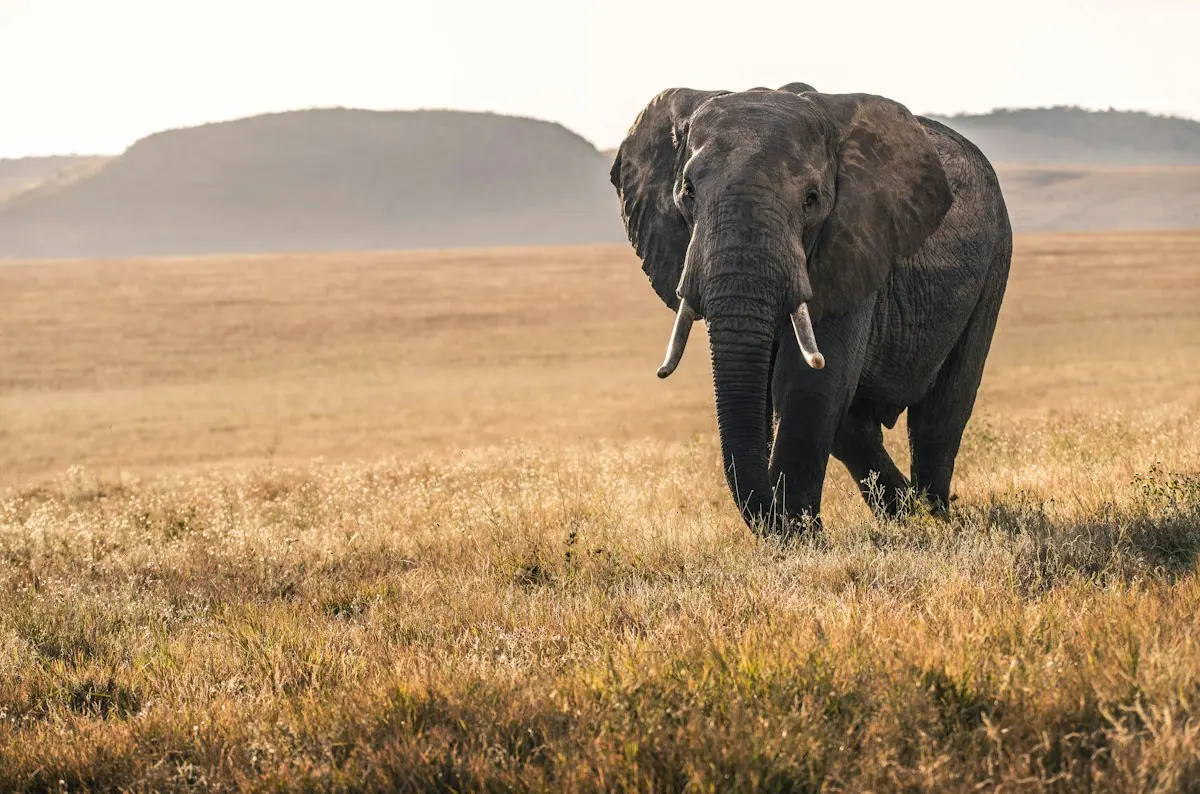 Zone 8Illustrative photo, not taken in this zone🍃 Quiet & Uncrowded Safari
Zone 8
Very similar in landscape and wildlife density to Zone 7, Zone 8 is one of the least crowded zones in Ranthambore, offering a peaceful and intimate forest experience away from the tourist rush. Ideal for nature lovers who want to absorb the sights, sounds and atmosphere of the jungle without distraction. A truly immersive wildlife experience.
Balas, Kali Bhat, Neemli Dang, Mahakho, Kherai
Palli Darwaza
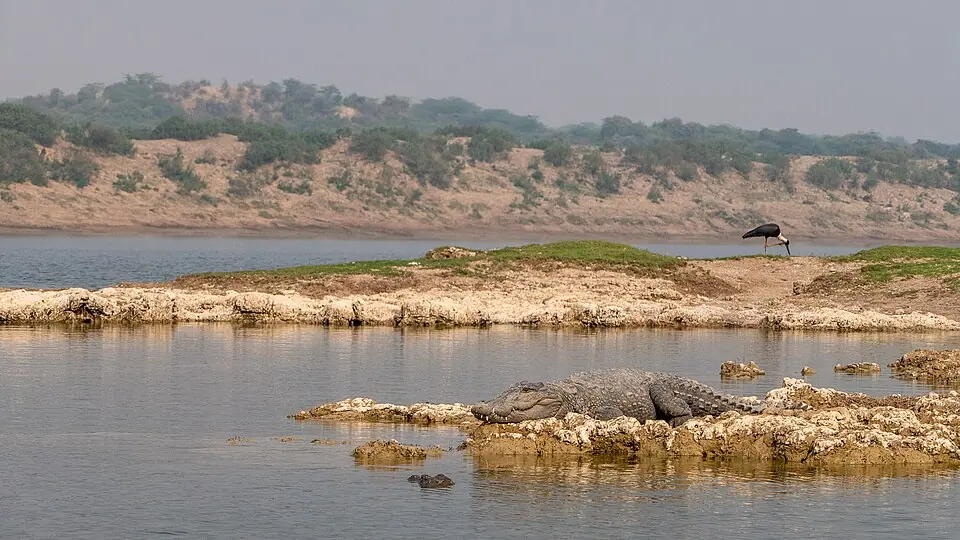 Zone 9Illustrative photo, not taken in this zone🦆 Riverside Wildlife & Aquatic Birds
Zone 9
Zone 9 is uniquely situated along the scenic Chakal River banks, located about 45 minutes from the main Tiger Reserve gate. This zone offers a distinctive riparian forest experience unlike any other zone in Ranthambore. The river draws wildlife during summer. Sloth bears, caracals and a stunning variety of aquatic and migratory birds are frequently spotted. The flowering trees make this visually one of the most beautiful zones in summer.
Chakal River banks, riverine forest trail
Confirmed at booking
 Zone 10Illustrative photo, not taken in this zone⛰️ Adventure & Scenic Landscapes
Zone 10
The newest addition to Ranthambore's safari network, Zone 10 impresses with dramatic hilly terrain, winding forest tracks and scenic deciduous forests. Several beautiful water bodies dot the landscape, attracting wildlife throughout the day. Wildlife is spotted along the water bodies and trails. The adventurous trail and stunning scenery make this a highly recommended zone for thrill-seekers.
Kushalipura, Halonda, Bodal, Aantri, Banskhori, Devpura
Confirmed at booking
Photos: Rohit Sharma, Subhayan Bhattacharyya, Krishna Kant Sharma, Rohit Sharma, Mike Prince — via Wikimedia Commons, used under Creative Commons license.
Quick Zone Comparison Guide
Compare all 10 zones at a glance to choose the best one for you
| Zone | Entry Gate | Best For | Tiger Density | Crowd Level | Best Season |
|---|---|---|---|---|---|
| Zone 1 | Singh Dwar | Tiger Sightings | ⭐⭐⭐⭐⭐ | High | Oct–Mar |
| Zone 2 | Singh Dwar | Summer Safaris | ⭐⭐⭐⭐⭐ | High | Apr–Jun |
| Zone 3 | Ranthambore Gate | Photography | ⭐⭐⭐⭐⭐ | Very High | Oct–Jun |
| Zone 4 | Singh Dwar | Tiger Territory | ⭐⭐⭐⭐ | High | Oct–May |
| Zone 5 | Singh Dwar | Wildlife Density | ⭐⭐⭐⭐ | Medium | Oct–May |
| Zone 6 | Palli Darwaza | Birds & Tigers | ⭐⭐⭐⭐ | Medium | Oct–Mar |
| Zone 7 | Palli Darwaza | Peaceful Safari | ⭐⭐⭐ | Low | Oct–Apr |
| Zone 8 | Palli Darwaza | Quiet Nature | ⭐⭐⭐ | Very Low | Oct–Apr |
| Zone 9 | Confirmed at booking | Riverside Safari | ⭐⭐⭐ | Low | Mar–Jun |
| Zone 10 | Confirmed at booking | Adventure | ⭐⭐⭐ | Low | Oct–May |
Planning Your Zone Range?
Tell us your dates and group size; we advise a zone range and the Forest Department allots the exact zone.
How Zone Allotment Works
When you book online, you don't pick an exact zone number — you choose one of two ranges: Zone 1 to 6, or Zone 7 to 10. The forest department then randomly assigns your vehicle to one specific zone within your chosen range through a computerized allotment process at the time of entry. Once assigned, that zone cannot be changed except in special circumstances, and a zone-change request (subject to forest authority approval) typically carries an additional fee of around ₹1,000.
Why Zones Matter
- Zones 1–5 are generally considered the core zones, with richer water bodies and historically higher tiger density.
- Zones 6–10 are the buffer zones — some, like Zone 6 (Kundal), are known more for birdlife and quieter safaris than guaranteed tiger sightings.
- Zones 1–5 are closed every Wednesday; zones 6–10 are closed every Tuesday.
- Core zones 1–5 close from 1 July to 30 September; some buffer zones may run on a limited basis, weather permitting.
Jeep vs Canter and Zones
Both Jeep (Gypsy) and Canter safaris follow the same zone-allotment rules and the same safari tracks within a zone — the vehicle type doesn't change which zone you're assigned. See our Gypsy vs Canter safari comparison if you're still deciding between the two.
Tips for Zone Booking
- Book multiple safaris across different shifts to cover more zones and improve your overall sighting odds.
- If tiger sightings are your top priority, request the 1–6 range; if you're comfortable with a quieter, more offbeat experience, 7–10 works well too.
- Check our best tiger zone guide for tiger density and terrain before you book.
Zone Highlights: What Each Zone Is Known For
Zone 1 – Singh Dwar and Beyond
A popular core zone rich in wildlife. Areas like Tuti Ka Nalla and Amreshwar Dang are scenic and active.
Best for: Secluded safaris and tiger mothers with cubs.
Zone 2 – The Waterhole Hub & Tiger Hotspot
Often crowned as Ranthambore's go-to zone, Zone 2 is rich with waterholes, rocky terrain, and vast grasslands—creating frequent wildlife activity and excellent sighting opportunities for tigers, leopards, and more. Spots like Jogi Mahal, Phuta Kot, and Nal Ghati are particularly popular.
Best for: Consistent sightings and versatile safari photography.
Zone 3 – The Photographers' Paradise
Featuring scenic freshwater bodies like Padam Talab and historical ruins such as Raj Bagh, Zone 3 blends scenic beauty with wildlife. Tigers including T-19 and T-28 are often seen around the lake and ruins.
Best for: Iconic landscape shots with wildlife.
Zone 4 – The Heart of the Jungle
Once frequented by the famous tigress Machli, Zone 4 is a dense and biodiverse region. Rich terrain and quieter trails reward the alert. Key sighting spots include Malik Talab, Lakkad Da, and Adidaant.
Best for: Wildlife enthusiasts seeking deeper forest immersion.
Zone 5 – The Transit Corridor
Linking Zones 3 and 4, Zone 5's blend of bush, bamboo clusters, and open meadows draws wildlife like T-17, T-28, and T-75. Watch for movement near Singh Dwar, Jokha, and Dhakda.
Best for: Diversity of terrain and animals along wildlife transit routes.
Zone 6 (Kundal) – Lesser-Known, Bird Wealthy
Zone 6 offers a quieter safari experience, with expansive grasslands, rocky Aravalli backdrops, and rare birds like the Red-headed Vulture. Tigers like Noor (T-39), Kumbha (T-34), and T-8 are also spotted in this zone.
Best for: Tranquil safari vibes and wildlife diversity beyond tigers.
Zone 7 – Mountain Trails & Solitary Wanderers
Nestled in rugged terrain, Zone 7 (Chidikho) is less crowded and ideal for close encounters. Home turf to tigers like T-8 and T-34, spots like Jamoda and Kushalipura promise peaceful yet thrilling experiences.
Best for: Veteran safari-goers and photography in quieter zones.
Zone 8 – The Leopard & Tiger Overlap
Adjacent to Zone 7, Zone 8 hosts the same individuals (T-8, T-34) but adds rugged hill landscapes perfect for big cats like leopards as well. Keep an eye around Mahakho and Kali Bhat for unexpected sightings.
Best for: Explorers seeking a mix of predators in raw settings.
Zone 9 (Kuwalji) – Buffer but Beautiful
Located farther from the core park, often accessed for full-day safaris. Spotted deer, hyenas, and leopards are common. Tiger sightings possible, especially T-42.
Best for: Full-day excursions and unique wildlife like caracals.
Zone 10 – Bhand Pur Gate Area
Hilly and forested, home to tigers like T-13 and her cubs. Less crowded and still developing for tourism.
Best for: A chance at solitude and exploration away from usual routes.
Frequently Asked Questions
Which zone is best for tiger sighting in Ranthambore?
Zones 1, 2, 3, 4 and 5 are the core zones with the highest tiger sighting probability. Zone 3 near Padam Talao and Zone 1 at Singh Dwar are consistently rated the best for tiger sightings.
How many safari zones are there in Ranthambore National Park?
Ranthambore National Park has 10 safari zones. Zones 1-5 are core zones with maximum tiger density. Zones 6-10 are buffer zones offering quieter, more peaceful safari experiences.
Can I choose my safari zone while booking?
When you book you choose a zone range (1–6 or 7–10) and a morning or afternoon slot; the Rajasthan Forest Department allots the exact zone, so a specific zone can't be guaranteed. We recommend booking 30-60 days in advance for peak season.
Which is the best zone in Ranthambore?
There is no zone that guarantees a tiger sighting. Zones such as Ranthambore zone 1, zone 2, zone 3, zone 4 and zone 5 are frequently discussed, while zones 6 through 10 also offer valuable wildlife experiences. Current animal movement matters more than reputation.